
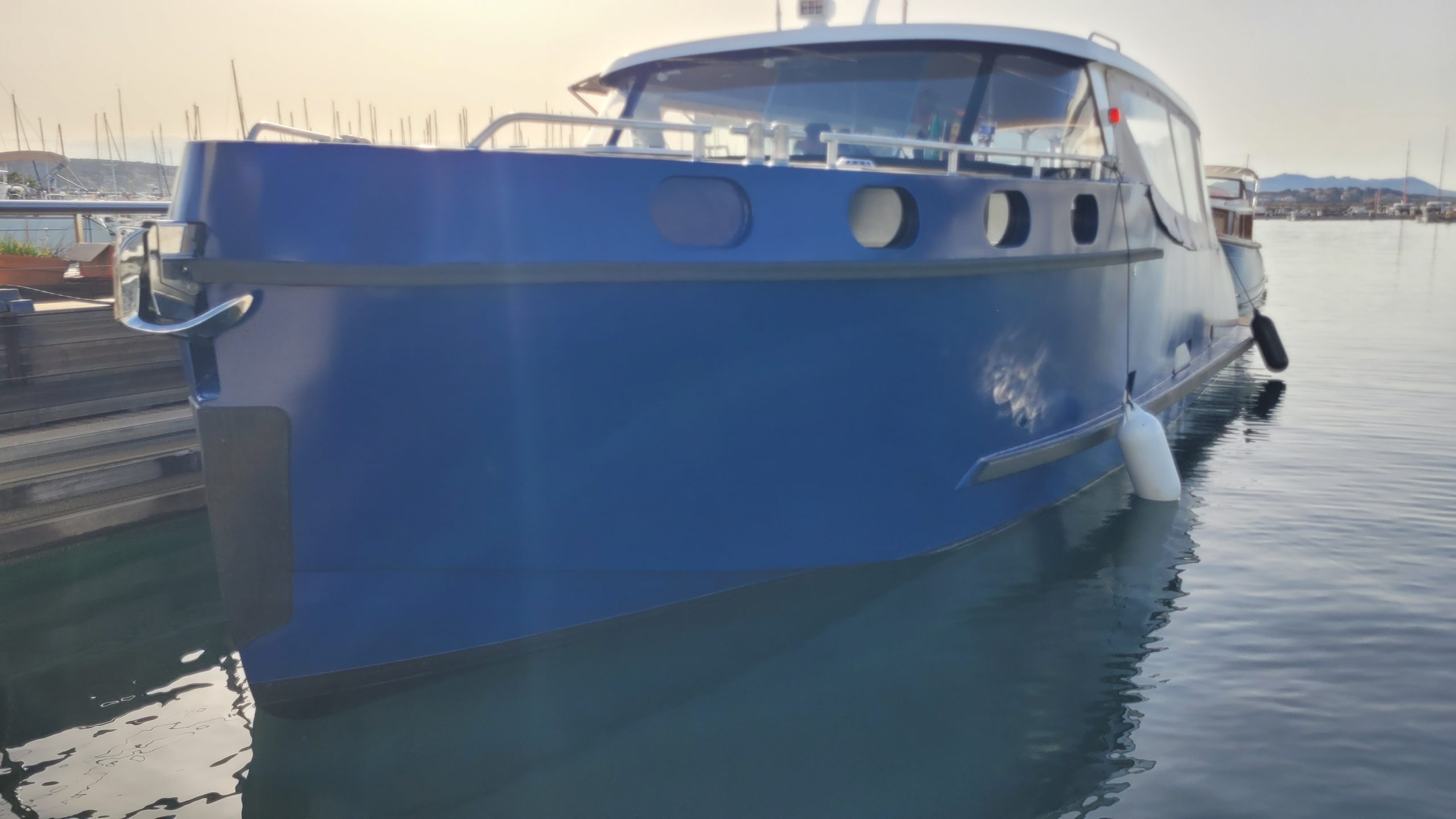

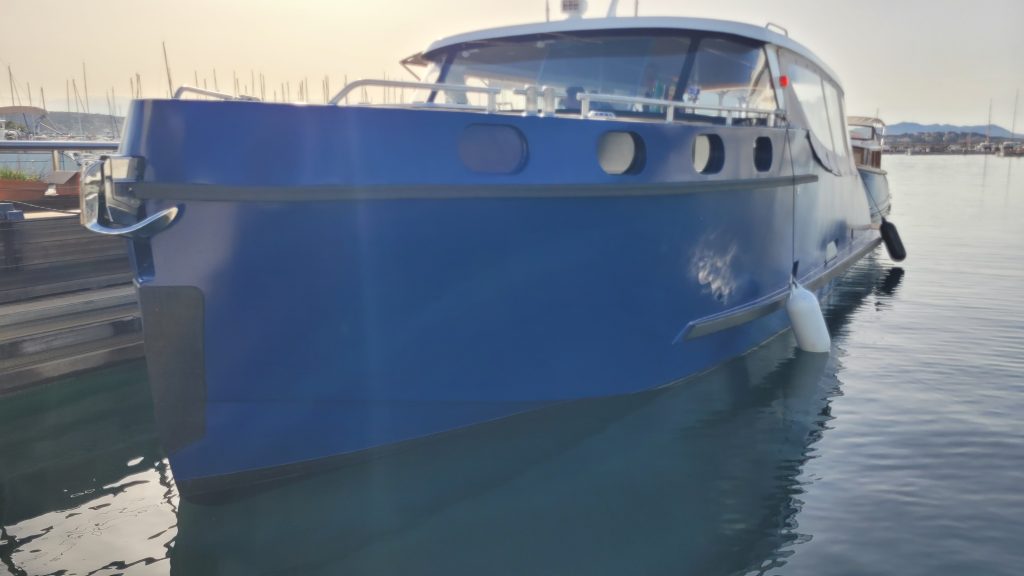
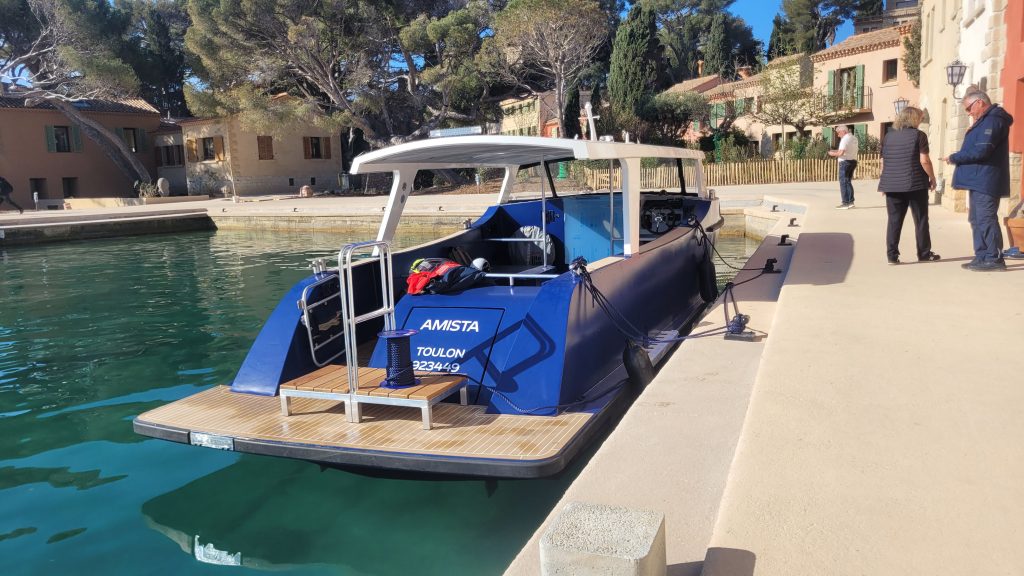
Last week marked an important milestone for the Cabin Tender 1100, as final sea trials were successfully completed in Bandol, France. After arriving at Bandol Marina, the vessel underwent final checks and preparation for operation, supported by Marine Service Gerritsen. This allowed us to complete the last finishing touches and finalize documentation ahead of the official trials with both the client and the French Flag Authority.
Two Days of Testing in Real Conditions
The sea trials were conducted over two days, each with a distinct focus.
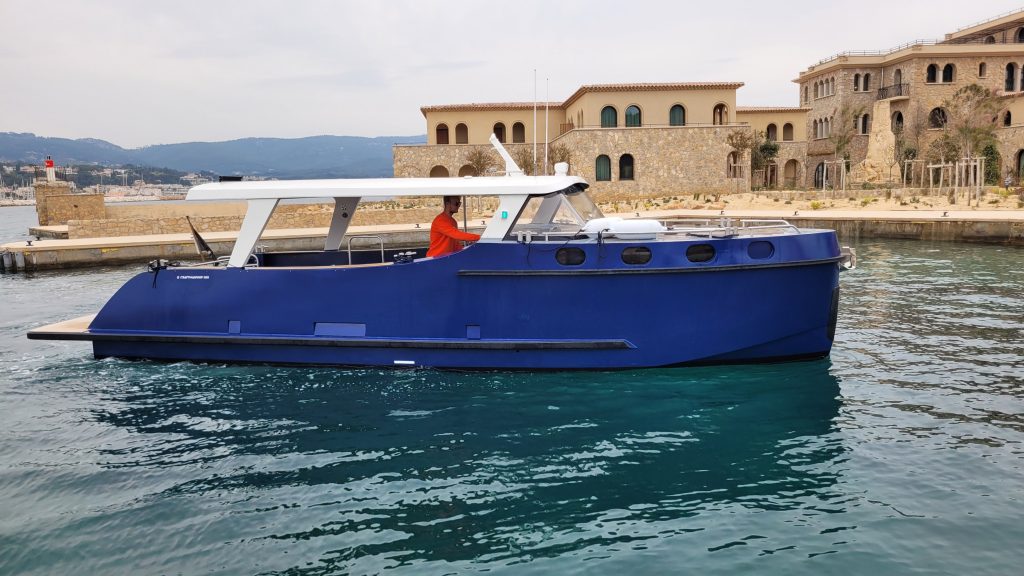
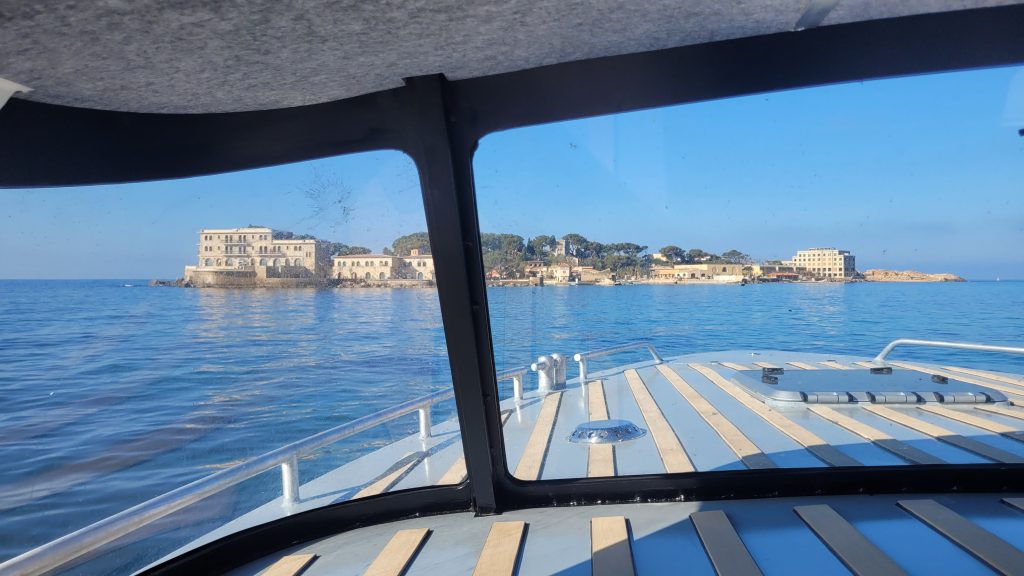
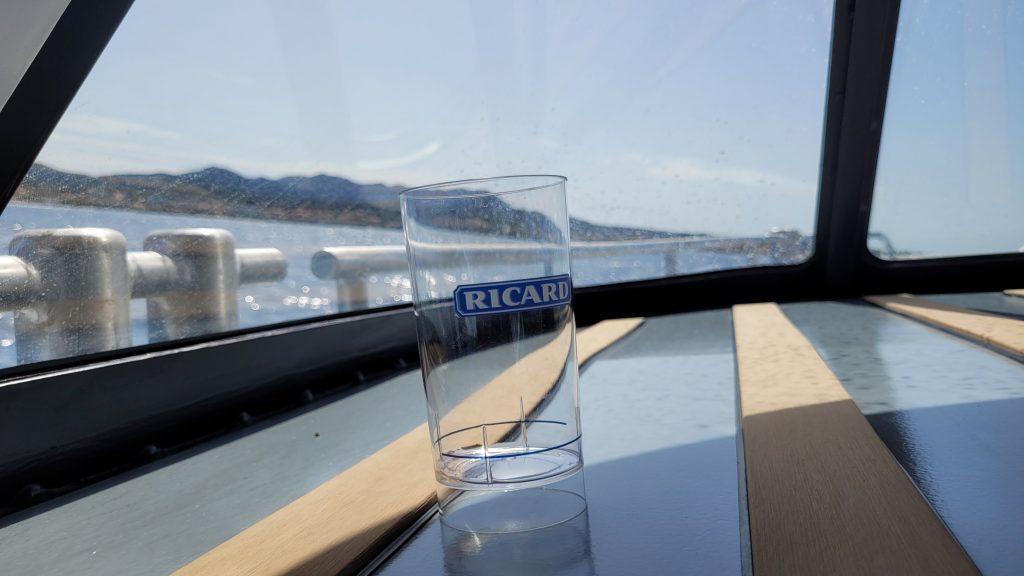
On the first day, we carried out operational and endurance testing together with the operators from Société Paul Ricard. The vessel was put through its paces across the waters surrounding Bandol, Îles des Embiez, and Bendor Island. Conditions were far from calm, with waves exceeding 1.5 metres. Rather than being a limitation, these conditions provided a valuable opportunity to test the Cabin Tender 1100 beyond standard operating scenarios. The vessel handled confidently, and the operators welcomed the chance to experience its performance in more demanding seas.
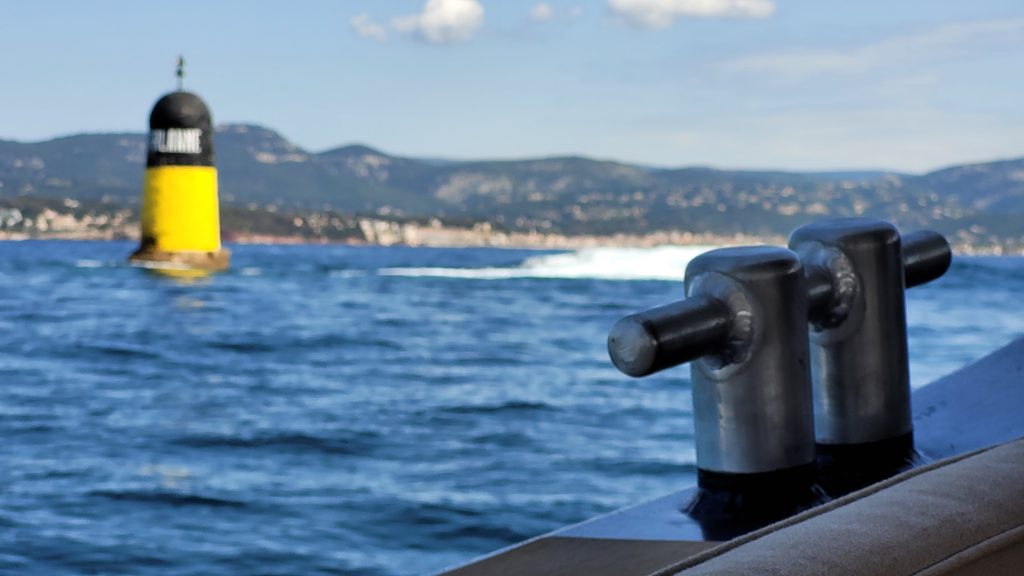
The second day focused on compliance and validation, with Denis Clavier representing the French Flag Authority. Together, we reviewed all documentation, discussed onboard systems, and verified operational procedures. This was followed by a series of on-water tests, including maximum speed trials (as per contract requirements), turning circle assessments, and a full crash stop test. All tests were completed successfully.
Delivery and Start of Operations
With all trials passed and approvals secured, the Cabin Tender 1100 was officially handed over to the client. The vessel was baptized shortly after and is now entering service as a luxury water taxi, connecting Bandol with the newly renovated resort island of Bendor.
A Step Forward in Electric Maritime Innovation
This project represents a significant achievement. As the second fully electric vessel in France built under Division 222 regulations, and at this scale, it demonstrates the growing viability of sustainable maritime solutions in commercial applications.
Projects like this are always the result of strong collaboration. We would like to thank Arnaud Rousseau (Marine Assistance) and Denis Clavier (French Flag Authority) for their support and dedication throughout the process. Special thanks also go to Marijn Peters and Thom Mohrman (Craftmanships), Jan Tinnemans (Tinnemans Floating Solutions), Jelle Gerritsen (Marine Service Gerritsen), René Zondervan (Watersporttechniek Zondervan), and Daan Herber (Green Marine Motors). Together, we made this project a success.
We look forward to continuing our collaboration with Craftmanships on future projects.
FAQ
1. What are sea trials and why are they important?
Sea trials are a series of tests conducted on a vessel before delivery to verify performance, safety, and compliance. They ensure that all systems function as intended under real operating conditions.
2. What is Division 222 certification?
Division 222 is a French regulatory framework governing small commercial vessels, including safety, stability, and operational requirements. Compliance is essential for vessels operating commercially in French waters.
3. Why is a fully electric vessel significant for this type of operation?
Fully electric vessels reduce emissions, noise, and operational costs, making them ideal for short-distance routes such as water taxis. They also support the broader transition toward sustainable maritime transport.