

As the maritime industry searches for ways to reduce emissions and improve efficiency, interest in sailing cargo vessels is rapidly growing. From small coastal trading vessels to ambitious transoceanic projects, wind-powered cargo transport is once again becoming a serious part of the conversation.
Yet while many modern cargo sailing concepts look to the past for inspiration, some of the most valuable lessons may actually come from the future—specifically from the world of yacht design.
For decades, yacht designers have been pushing the boundaries of hydrodynamic efficiency, lightweight construction, performance optimization, and sustainable operation. The commercial shipping sector, including the emerging sailing cargo market, has much to gain by adopting some of these principles.
Efficiency Starts With Hull Design
In commercial shipping, cargo capacity is often the primary design driver. However, modern yacht designers have demonstrated that investing in hull efficiency can generate substantial long-term benefits.
Leading naval architecture firms have spent decades refining hull forms using Computational Fluid Dynamics (CFD), towing tank testing, and real-world performance monitoring. The result is vessels that require significantly less energy to achieve the same speed.
For sailing cargo vessels, every percentage reduction in resistance directly translates into lower auxiliary power requirements, increased range, and improved profitability.
Rather than viewing the hull as a static platform for carrying cargo, sailing cargo designers should treat it as an active contributor to vessel performance.
Weight Matters More Than Many Think
One of the biggest lessons from yacht design is that weight reduction improves almost every aspect of vessel performance.
Modern yachts increasingly utilise lightweight aluminium structures, advanced composites, and highly optimized structural engineering. While full composite construction may not be practical for commercial cargo vessels, the philosophy behind weight optimization remains highly relevant.
A lighter vessel:
- Requires less energy to accelerate.
- Achieves higher sailing performance.
- Carries less structural load.
- Reduces fuel consumption of auxiliary systems.
- Increases payload flexibility.
The objective is not necessarily to build the lightest vessel possible, but rather to remove unnecessary weight and ensure every kilogram serves a purpose.
Design For Real Operating Conditions
Many traditional commercial vessels are optimized around a narrow operating profile. Yacht designers, however, increasingly focus on performance across a wide range of sea states, speeds, and operational scenarios.
A sailing cargo vessel may encounter:
- Strong trade winds.
- Light air conditions.
- Coastal operations.
- Harbour manoeuvring.
- Ocean crossings.
Designing for versatility rather than a single ideal condition can significantly improve operational efficiency throughout the vessel's lifetime.
This philosophy is increasingly important as weather routing, voyage optimization software, and renewable propulsion systems become more integrated into vessel operations.
Comfort Is Not Just For Passengers
At first glance, crew comfort may seem like a luxury consideration. However, yacht design has repeatedly demonstrated that reducing vessel motions improves safety, productivity, and operational effectiveness.
Features that reduce pitching, rolling, and slamming not only make life onboard more comfortable but can also reduce structural fatigue and improve cargo protection.
For sailing cargo ships operating on long voyages with small crews, maintaining a safe and comfortable working environment becomes a critical operational consideration rather than an optional extra.
Integrate Systems From Day One
One of the strengths of modern yacht projects is the level of integration between naval architecture, engineering, interior design, propulsion, and construction.
Rather than treating sails, propulsion systems, batteries, solar arrays, cargo handling equipment, and accommodation as separate elements, successful yacht projects approach them as interconnected systems.
Emerging sailing cargo vessels face a similar challenge.
The most successful designs will not simply add sails to an existing commercial hull. Instead, they will be conceived as integrated platforms where:
- Hull form supports sailing performance.
- Energy systems complement propulsion.
- Cargo operations fit the vessel's mission.
- Structural arrangements support efficiency.
This holistic design approach often produces solutions that outperform designs developed in isolation.
Innovation Requires Collaboration
Perhaps the most important lesson from the yacht industry is that innovation rarely happens alone.
The most successful yacht projects are the result of close collaboration between owners, naval architects, shipyards, equipment suppliers, researchers, and operators.
The same principle applies to sailing cargo transport.
No single company possesses all the knowledge required to solve the challenges of low-carbon maritime transport. Progress will depend on partnerships between designers, operators, universities, technology providers, and cargo owners.
Collaboration accelerates innovation, reduces risk, and ensures that practical operational experience is incorporated into every stage of development.
From Theory to Practice: The Tradesailer Project
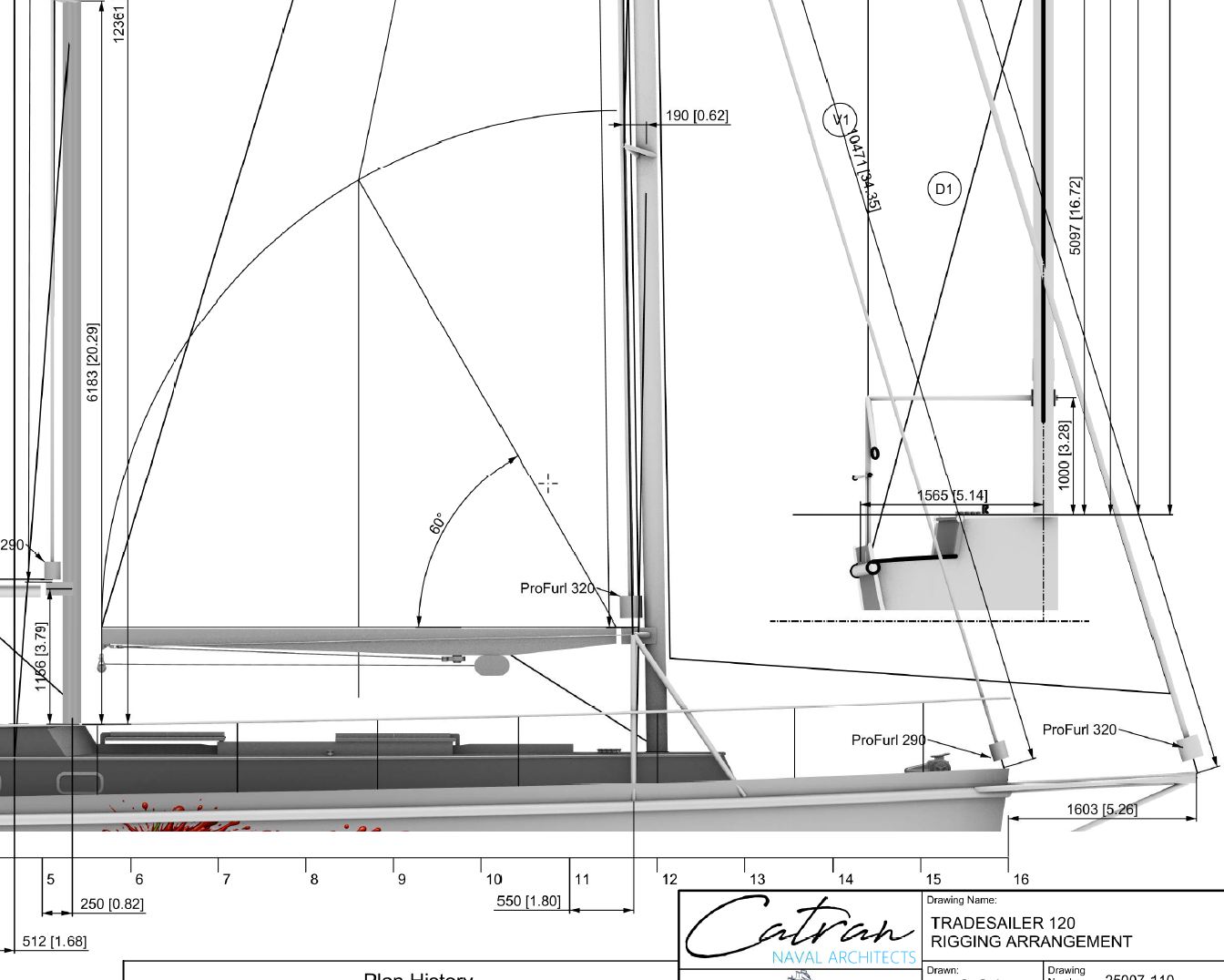
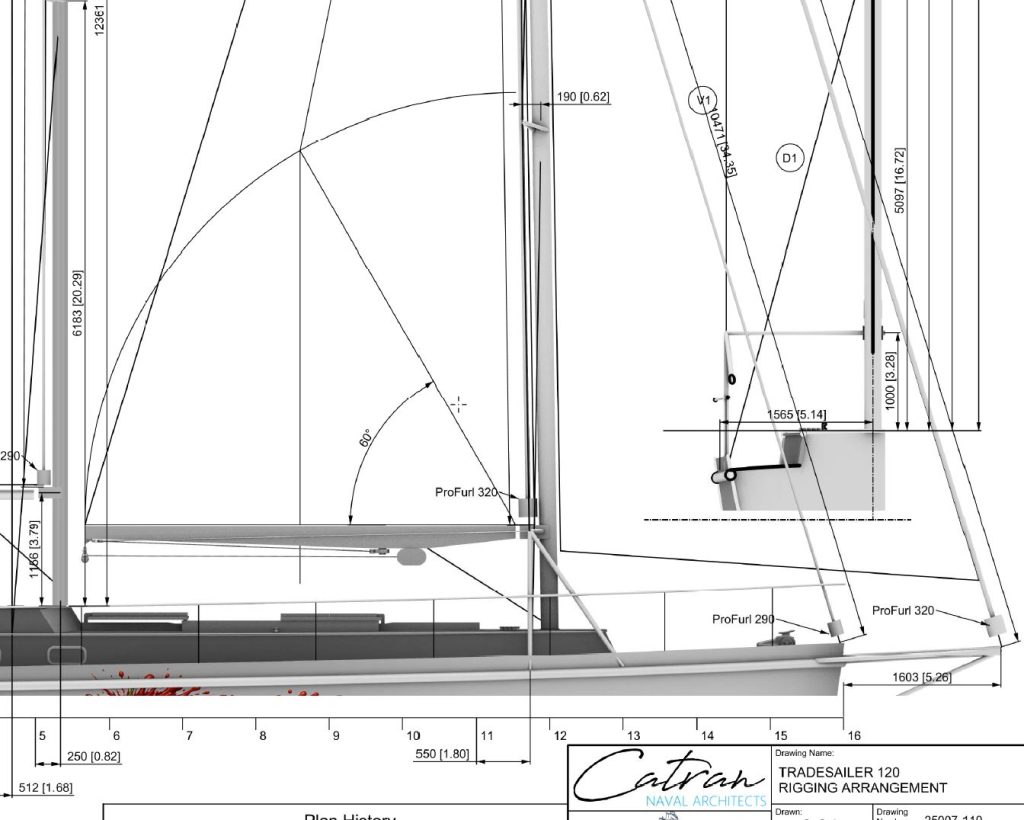
The principles discussed above are not merely theoretical. They are actively being explored through projects such as Tradesailer, an initiative focused on developing practical, low-carbon sailing cargo solutions for island and coastal communities.
The Tradesailer Project combines lessons from traditional sailing cargo vessels with modern naval architecture, hydrodynamic optimisation, and contemporary operational requirements. Rather than simply recreating historical vessels, the project seeks to apply proven yacht design methodologies—including performance-driven hull design, integrated systems engineering, and efficient sail propulsion—to create commercially viable cargo vessels for the future.
One of the key objectives of Tradesailer is to demonstrate that sustainable maritime transport requires more than alternative fuels alone. By reducing energy demand through intelligent design and harnessing renewable wind power, vessels can achieve significant reductions in operating costs and emissions while maintaining practical cargo-carrying capability.
The project also highlights the importance of collaboration between designers, operators, researchers, educational institutions, and local communities. As with many successful yacht projects, innovation emerges when multiple disciplines work together toward a common goal.
Tradesailer serves as an example of how the lessons learned within the yacht industry can help shape the next generation of sustainable cargo vessels, bridging the gap between high-performance design and real-world commercial operation.
Looking Forward
The return of sailing cargo transport presents a unique opportunity for the maritime industry. Rather than recreating the sailing ships of the past, designers can combine the proven sustainability of wind propulsion with the advanced technologies developed within modern yacht design.
Efficient hull forms, lightweight structures, integrated systems, motion reduction, and collaborative innovation are no longer experimental concepts. They are established practices within the yacht sector that can help shape the next generation of sustainable cargo vessels.
The future of low-carbon shipping may not be found solely in new fuels or larger batteries. It may also be found in adopting the lessons learned by the yacht industry over decades of relentless pursuit of efficiency, performance, and intelligent design.
At Catran Naval Architects, we believe the most effective maritime solutions emerge when innovation, collaboration, and practical engineering come together. Through initiatives such as the Tradesailer project, we are actively exploring how the expertise developed within the yacht industry can contribute to the future of sustainable maritime transport. As sailing cargo transport evolves, the opportunity to bridge these worlds has never been greater.